

We’ve all been there—lying in bed, scrolling through endless headlines, absorbing waves of bad news, unable to stop. What starts as a quick check-in with current events becomes an hour-long spiral through disaster, conflict, and crisis. This habit, now known as doomscrolling, has become so common that it’s reshaping how we consume information—and how we feel about the world.
But why do we do it? What’s happening in our brains when we doomscroll? And how can we stop?
Let’s unpack the psychology behind doomscrolling, the real damage it causes, and what you can do today to take back control.
What Is Doomscrolling?
Doomscrolling is the compulsive habit of consuming large quantities of negative news online, especially on social media. Unlike staying informed, doomscrolling creates a feedback loop where we seek out distressing content that intensifies feelings of anxiety, fear, and helplessness.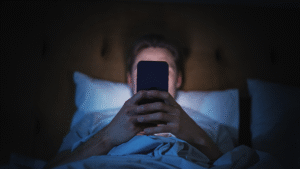
This behavior gained prominence during the COVID-19 pandemic, but it didn’t fade when lockdowns ended. From political unrest to climate anxiety, there’s always another crisis to keep you scrolling.
The result? More screen time, more stress—and less peace of mind.
Why We Doomscroll: The Psychology Behind It
At its core, doomscrolling taps into our brain’s survival instincts.
1. Negativity Bias: Humans are hardwired to pay more attention to threats than positive experiences. This bias, a leftover from our evolutionary past, once helped us survive. But in a digital world flooded with content, it means we naturally gravitate toward bad news. From politics to geography, the headlines filled with doom and gloom are what make the first pages fast, unfortunately.
2. The Illusion of Control: When uncertainty spikes—like during global pandemics or elections—people turn to information to feel safer. Scrolling through countless articles gives us the illusion that we’re “doing something” about the chaos, even if we aren’t necessarily acting on it.
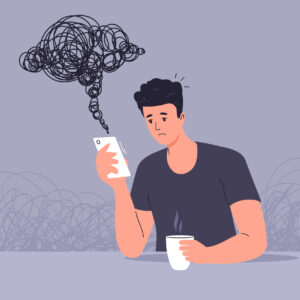
3. Variable Reward System: Doomscrolling works similarly to slot machines. You don’t know what’s coming next—a shocking video? An insightful comment? A new disaster? This unpredictability triggers dopamine, the feel-good chemical, making the behavior feed a low-grade addiction.
4. Fear of Missing Out (FOMO): Many people fear being uninformed. Missing out on trending news or online discussions can feel like missing out socially or intellectually, driving us back into the scroll.
5. Cognitive Dissonance: We often recognize that doomscrolling is hurting us, yet continue anyway. This mental tension creates a loop: feeling guilty about scrolling too much, then scrolling more to distract from that guilt.
The Damaging Effects of Doomscrolling
1. Increased Anxiety and Depression
IvyPanda aptly calls doomscrolling the “new drug of the 21st century.” Constant exposure to traumatic or disturbing information can overload your brain’s stress response. Over time, this leads to heightened anxiety, feelings of helplessness, and depressive symptoms.

This behavior activates the amygdala—the brain’s fear center—causing you to feel like you’re constantly under threat, even if you’re physically safe.
2. Sleep Disruption
Many people doomscroll late at night, thinking it’ll help them wind down. In reality, it does the opposite. The blue light from screens disrupts melatonin production, and the emotional arousal from the content keeps your mind wired. This can lead to insomnia, poor-quality sleep, and exhaustion the next day.
3. Decision Fatigue and Cognitive Overload
When your brain is bombarded with emotionally charged content, it struggles to process everything. This can lead to mental fatigue, clouded judgment, and poor decision-making. You might feel less productive at work, less present with loved ones, or simply overwhelmed by everything.
4. Desensitization and Numbness
Over time, doomscrolling can numb your emotional responses. When every day brings another crisis, your brain adapts by feeling less and less. While this may seem like a defense mechanism, it actually reduces empathy, motivation, and connection to the world around you.
5. Damaged Relationships
Constantly consuming negativity can make you irritable, distracted, or emotionally unavailable. You may also unknowingly project your fear or stress onto others, creating unnecessary tension in relationships.
How to Stop Doomscrolling and Reclaim Your Mind
You don’t need to cut off your phone or uninstall every app—unless you want to. But creating healthier habits and boundaries can make a huge difference.
1. Set Time Limits
Use your phone’s screen-time tools or apps like Forest or Freedom to limit how long you spend on certain platforms. Even starting with 15-minute limits for news apps or Twitter can go a long way.
2. Curate Your Feed
Unfollow accounts that constantly post fear-based or sensationalized content. Follow more uplifting, balanced sources. If you’re going to scroll, make sure the content is intentional—not destructive.
3. Establish “No Scroll” Zones
Designate specific times or spaces where scrolling isn’t allowed—like during meals, the first hour after waking, or in bed. Replace those moments with healthier routines like reading, journaling, or just doing nothing.
4. Practice Mindful Consumption
Before diving into your feed, ask: “What am I hoping to find here?” If the answer is distraction or control, pause. Take a breath. Consider reading one trusted source, then logging off.
5. Schedule News Check-Ins
Instead of consuming news sporadically throughout the day, schedule one or two specific times to catch up. Read from reputable sources. Take notes if it helps you process. Then stop.
6. Replace the Habit
One of the best ways to stop a bad habit is to replace it. Try swapping your evening scroll session with a walk, a creative hobby, or a quick workout. Habits don’t disappear—they transform.
The Bigger Picture
Doomscrolling isn’t just about phone addiction—it’s about how we cope with fear and uncertainty. But staying informed doesn’t have to mean feeling overwhelmed.
By developing awareness of your habits and choosing progress over panic, you give your brain the chance to reset and recover.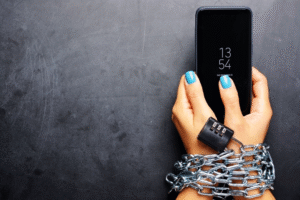
You don’t have to shut out the world—but you do need to protect your peace. Doomscrolling may offer temporary comfort, but it comes at the cost of mental clarity and emotional resilience.
Instead, choose mindful media consumption, healthy digital routines, and regular time away from screens. Your mind, your sleep, and your relationships will thank you.
Your Turn
Have you ever caught yourself doomscrolling? How did it affect your mood or energy that day? What’s one strategy you’ve tried (or would like to try) to scroll less and live more?
Let me know in the comments—I’d love to hear your thoughts
FAQs About Doomscrolling
What causes people to doomscroll even when they know it’s harmful?
Doomscrolling triggers the brain’s reward system through unpredictability—each scroll might bring new information or emotional stimulation. Combined with negativity bias and the illusion of control, it creates a loop that’s difficult to break without conscious effort.
Is doomscrolling the same as staying informed?
No. Staying informed involves checking reliable sources at set times, while doomscrolling is an emotional reaction driven by anxiety or curiosity. The goal of healthy information consumption is understanding—not overstimulation.
Can doomscrolling actually affect my physical health?
Yes. Excessive exposure to negative content can increase stress hormones like cortisol, disturb sleep patterns, and contribute to fatigue or tension headaches. Over time, chronic stress can also weaken immune response.
How can I tell if I’m doomscrolling?
If you often feel anxious, drained, or hopeless after reading the news or using social media—and find it hard to stop even when you want to—you’re likely doomscrolling. Awareness of your emotional response is the first step toward change.
What are some quick ways to stop doomscrolling?
Try setting screen time limits, muting notifications, or creating “no-scroll zones” before bed. Replace the habit with something grounding—reading, journaling, or a short walk. Over time, your brain learns to seek calmer forms of stimulation.
Is it possible to use social media mindfully?
Absolutely. Curate your feed to include balanced and positive sources, limit time spent on emotionally charged content, and check in with how you feel afterward. Mindful use means consuming with awareness, not avoidance.
This was me during the pandemic and the war in Ukraine. It’s all awful but to look at things I can’t control isn’t good either.
Thanks for the reminder to put the phone down before! I, too, am guilty of doomscrolling when I’m bored or feeling lazy. It’s a hard habit to break but one I need to work on.
The toxic psychology behind Doomscrolling is damaging in my opinion. Thanks a lot for talking about it.
I used to doomscroll then I switched to scrolling through “positive” content. But realised I traded on impulse for another. It still messed with my mind. I deleted Instagram and TikTok to take a break.
So this is so needed. People need to be aware of what social media can do to us and how to stop it. Great writing!
I am so guilty of this! Just hours lost in the sauce. Thanks for posting this! It was an eye opener
I use a bunch of blocker tools to help me not doom scroll
My goodness, doomscrolling feels so awful, and once you fall down a rabbit hole, it’s hard to stop. It can wreck your entire day if you’re not careful, as you keep scrolling, refreshing, scrolling, and refreshing. It’s not productive, and you’re only causing harm to yourself by throwing your time and energy into doomscrolling.
It’s okay not to know all the details. It’s okay to watch cat videos instead of the news. It’s okay to go for a walk instead of reading more about what’s happening in the world. And let’s also not forget that social media does blow things out of proportion. We also shouldn’t forget that even major news companies are looking to suck us in with shocking headlines to increase their clicks/viewership.
I was guilty of this during the pandemic but I give myself breaks now. It’s healthier to just stay off social media altogether.